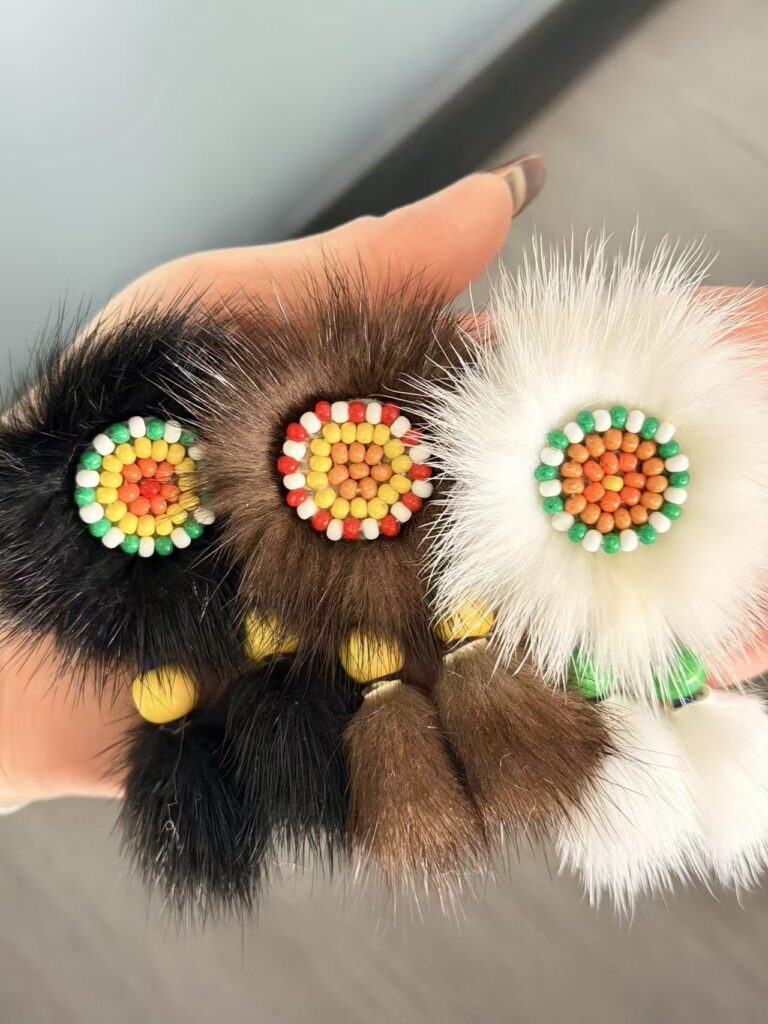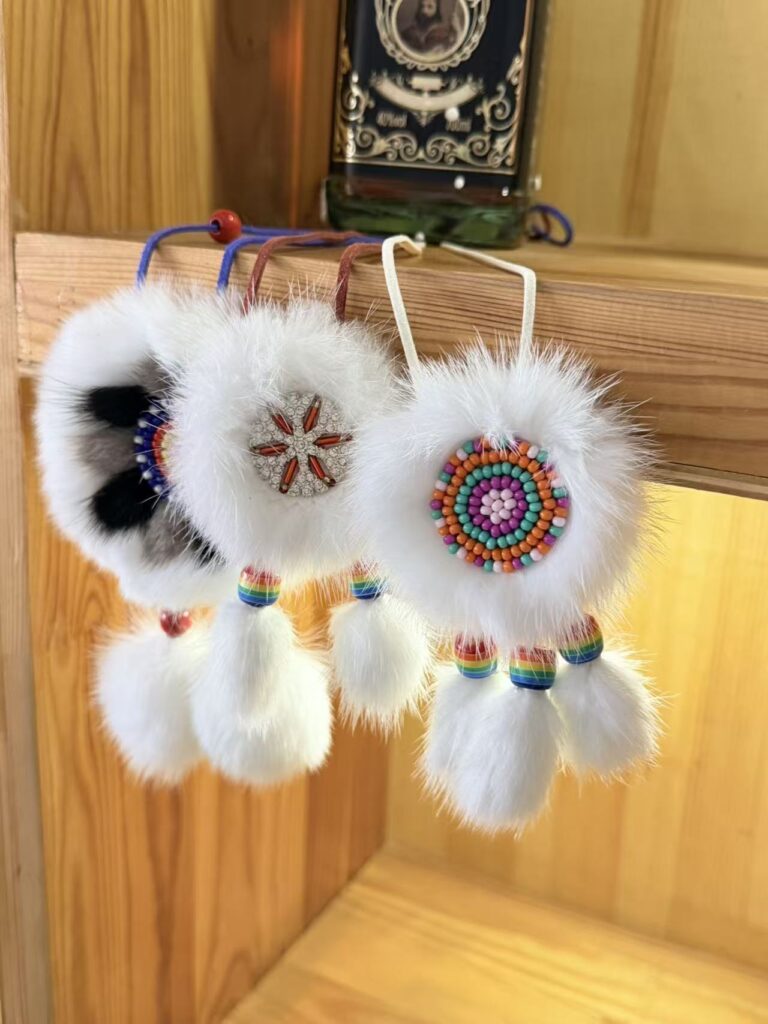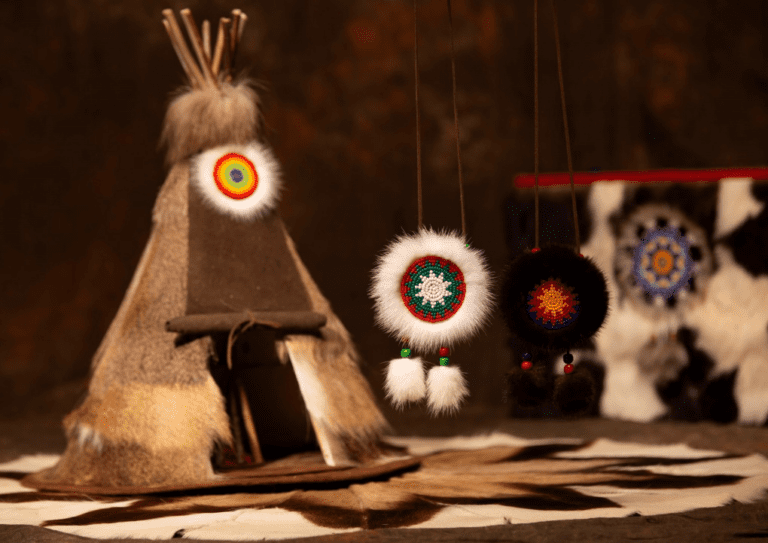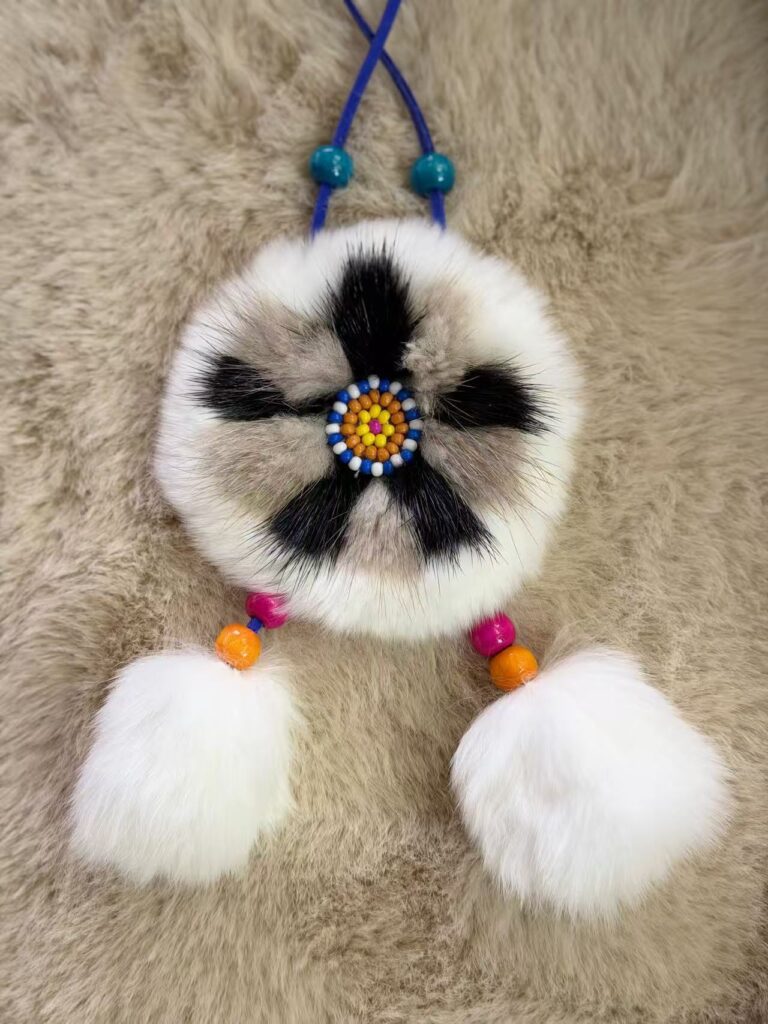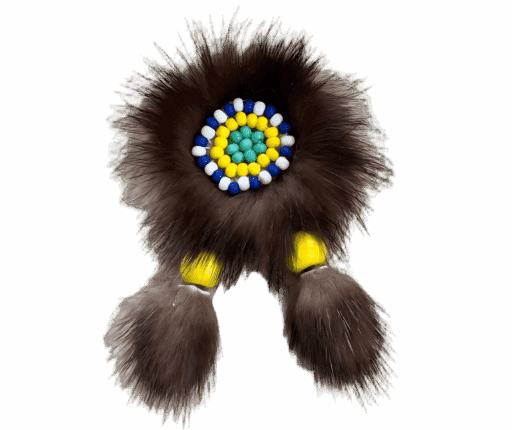
Ewenki Sun Flower: A Symbol of Culture and Nature
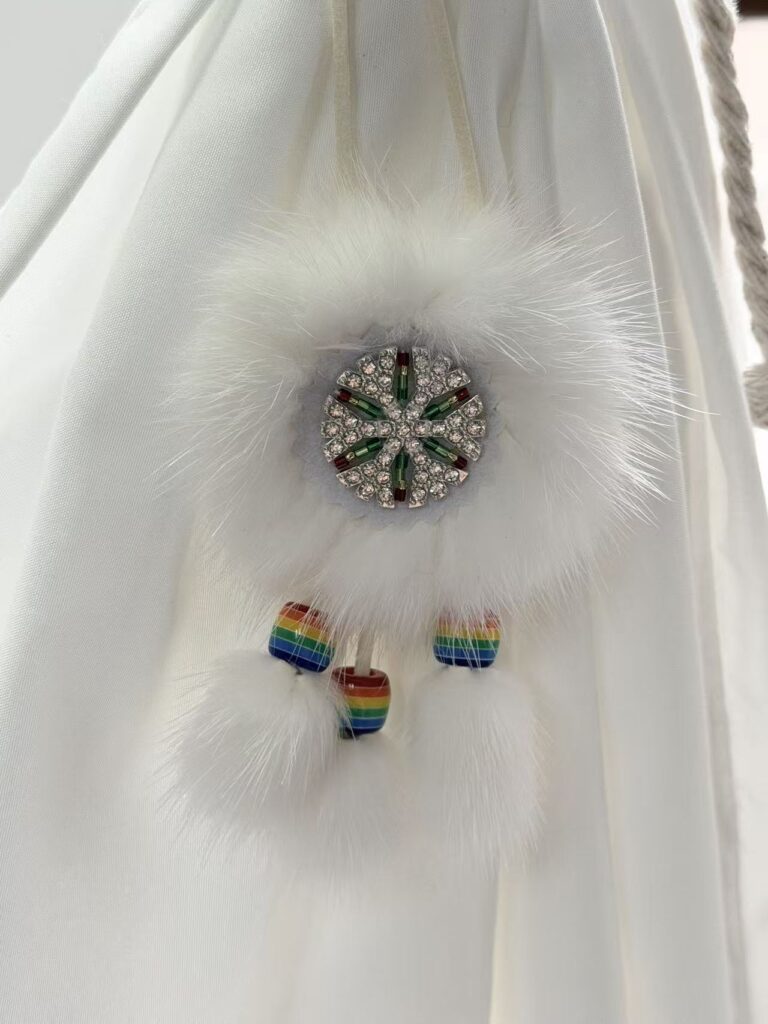
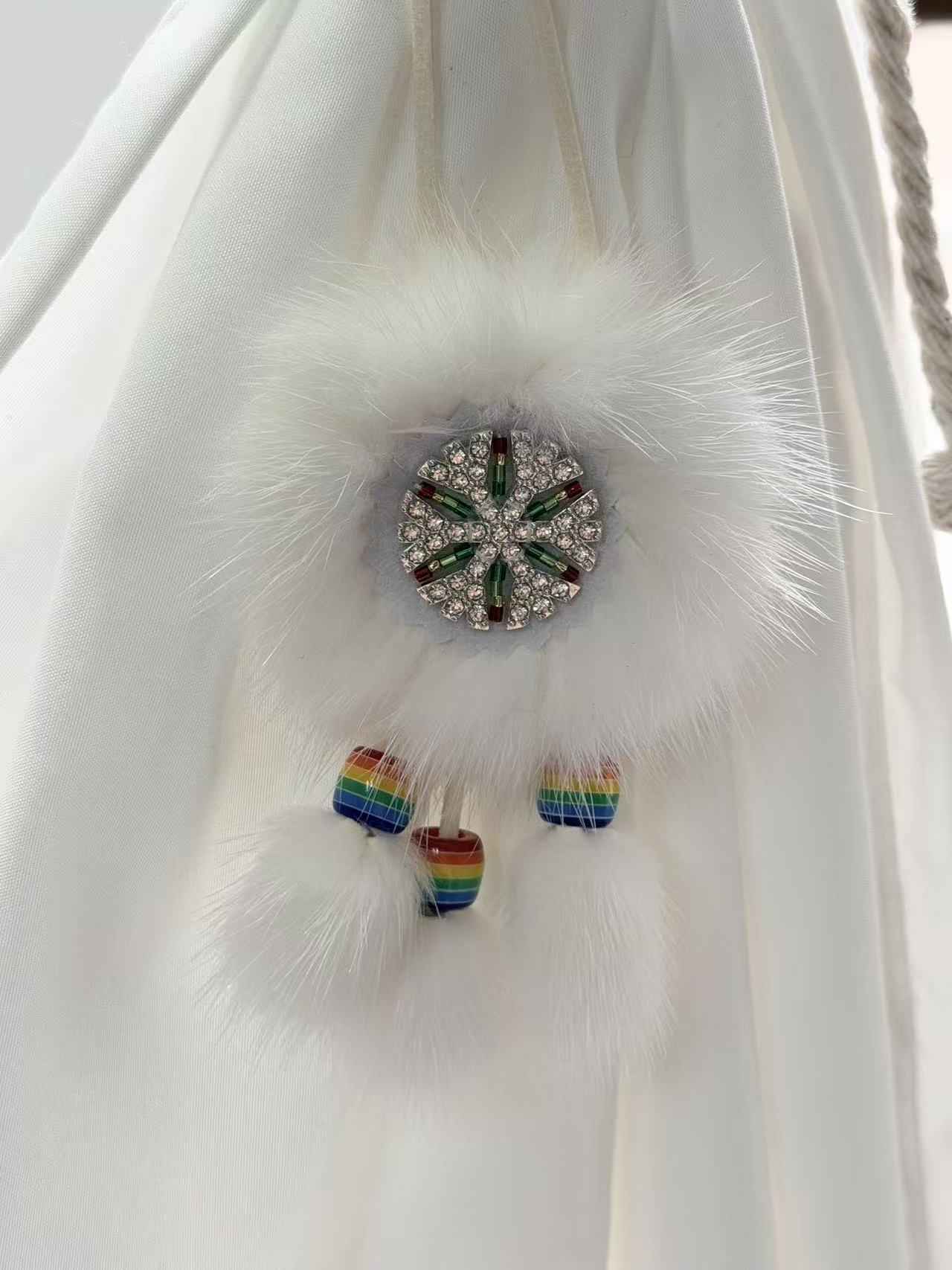
What Is the Ewenki Sun Flower?
The Ewenki Sun Flower is a cultural symbol closely associated with the traditions of the Ewenki ethnic group in northern Asia. Known for their deep connection with nature, the Ewenki people often use natural symbols to represent harmony, life, and spiritual belief.
Among these symbols, the Ewenki Sun Flower stands out as a representation of warmth, hope, and the cycle of life. The design is commonly seen in traditional crafts, clothing patterns, and decorative artworks created by Ewenki artisans.
Cultural Significance of the Ewenki Sun Flower
For generations, the Ewenki Sun Flower has carried deep cultural meaning. The sun itself represents energy and life, while the flower shape symbolizes growth and prosperity.
In traditional Ewenki culture, natural elements such as the sun, forests, rivers, and animals play an important role in everyday life. The Ewenki Sun Flower reflects this relationship between humans and the natural world.
Many traditional decorations incorporate this symbol to express respect for nature and gratitude for the resources that sustain the community.
The Role of the Sun Flower in Ewenki Art
Art and craftsmanship are essential parts of Ewenki culture. The Ewenki Sun Flower often appears in:
Traditional Clothing
Embroidery patterns on traditional garments frequently feature sun-inspired flower designs. These patterns not only serve decorative purposes but also convey cultural identity.
Handicrafts and Decorations
Wood carvings, leather crafts, and textile artworks may include the Ewenki Sun Flower as a central motif. The pattern symbolizes brightness and protection.
Cultural Festivals
During cultural celebrations and community gatherings, the symbol may appear in banners, ornaments, or ceremonial items representing unity and prosperity.
Preservation of Traditional Symbols
In modern times, preserving cultural heritage has become increasingly important. The Ewenki Sun Flower continues to inspire artists, researchers, and cultural organizations interested in protecting indigenous traditions.
By documenting traditional patterns and encouraging cultural education, communities help ensure that this meaningful symbol remains part of future generations.
Traditional Stories Behind the Ewenki Sun Flower
In many traditional narratives, the Ewenki Sun Flower is connected to stories about the sun and the balance of nature. Elders in Ewenki communities often share stories that explain how natural symbols help people understand the world around them. In these stories, the sun is viewed as a powerful source of life, guiding animals, plants, and humans through the changing seasons.
The Ewenki Sun Flower is sometimes described as a symbol that follows the sun’s light. This idea reflects a deeper philosophy within Ewenki culture—people should live in harmony with natural cycles rather than trying to control them. The flower’s circular pattern represents continuity, while the radiating petals symbolize energy spreading across the land.
The Ewenki Sun Flower in Modern Cultural Expression
Today, the Ewenki Sun Flower continues to inspire modern artists and designers. While the symbol originates from traditional patterns, it is now being adapted into contemporary cultural products such as jewelry, paintings, clothing, and cultural souvenirs.
Young designers from Ewenki communities often incorporate the Ewenki Sun Flower into modern fashion and artwork. By combining traditional elements with new artistic techniques, they help keep the symbol relevant in the modern world while preserving its cultural meaning.
Museums and cultural exhibitions also display artworks featuring the, allowing visitors to learn more about Ewenki traditions and their connection to nature.
Why Cultural Symbols Like the Ewenki Sun Flower Matter
Cultural symbols play an important role in maintaining identity and heritage. The is not only a decorative pattern but also a reminder of the values held by the Ewenki people—respect for nature, community unity, and the importance of tradition.
As globalization continues to influence cultures around the world, protecting symbols like the helps ensure that traditional knowledge and artistic expressions are not lost. Through education, cultural festivals, and artistic creation, the meaning behind this symbol can continue to be shared with future generations.
Conclusion
The is more than a decorative pattern—it represents the relationship between people, nature, and tradition. Through art, clothing, and cultural expression, this symbol continues to reflect the identity and heritage of the Ewenki people.
Learning about symbols like the helps us better understand the richness of ethnic cultures and the importance of preserving traditional knowledge.
External Resource:
https://ich.unesco.org/en/what-is-intangible-heritage-00003
Internal Link:
https://www.heartofcraft.com/