Ewenki Sunflower: A Cultural Symbol of the Ewenki People
Introduction to the Ewenki Sunflower
The Ewenki Sunflower is more than just a beautiful plant found in northern China. For the Ewenki ethnic group, it represents a connection to nature, cultural identity, and traditional life. The flower grows naturally in grassland environments and thrives in regions such as Inner Mongolia, where the Ewenki people have lived for generations.
Because of its bright appearance and ability to follow the sun, the Ewenki Sunflower has long been associated with vitality, hope, and the harmony between humans and the natural world.
Cultural Meaning in Ewenki Traditions
Among the Ewenki people, nature plays a central role in daily life. Flowers, forests, and animals are often included in traditional stories and folk customs.
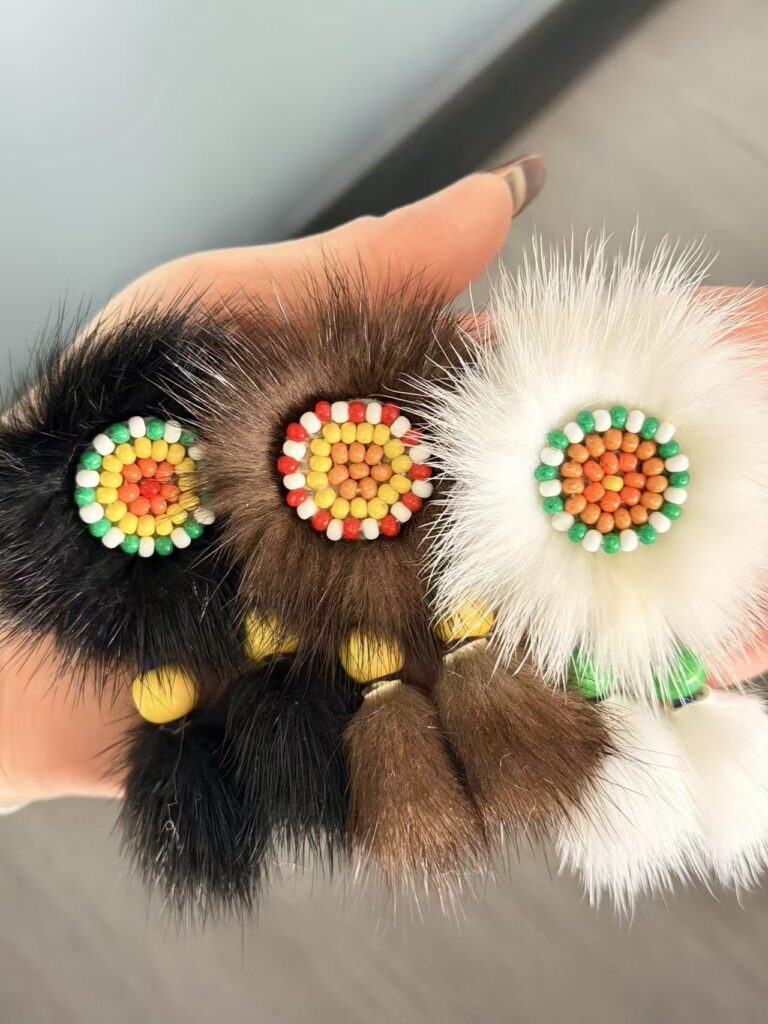
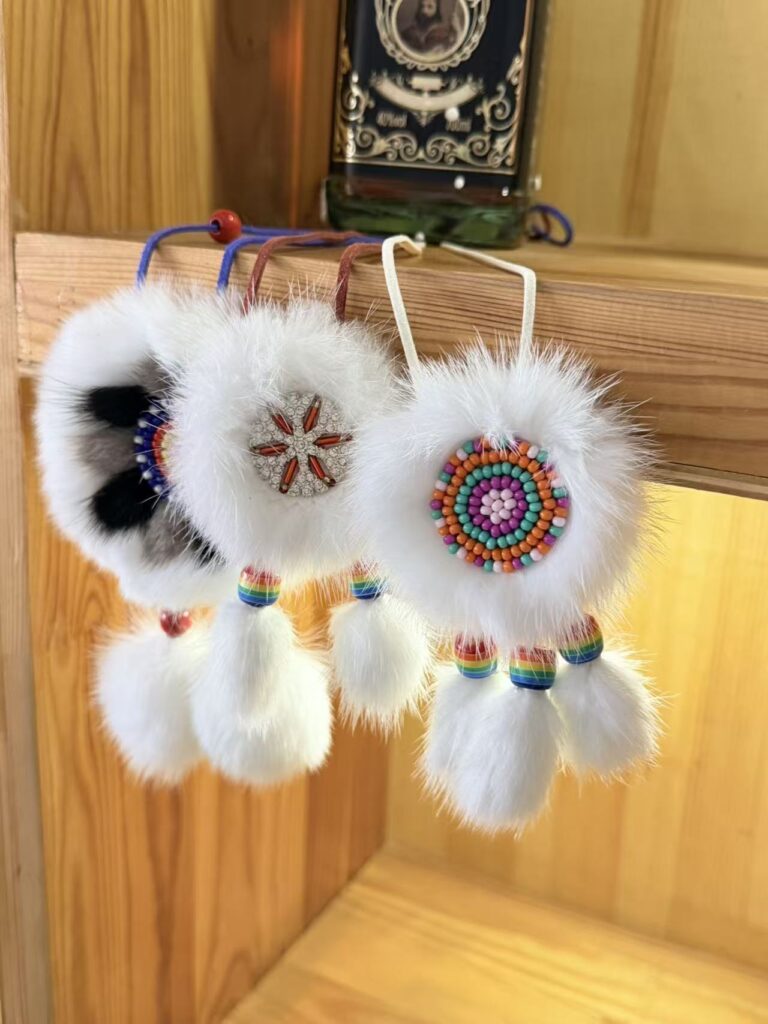
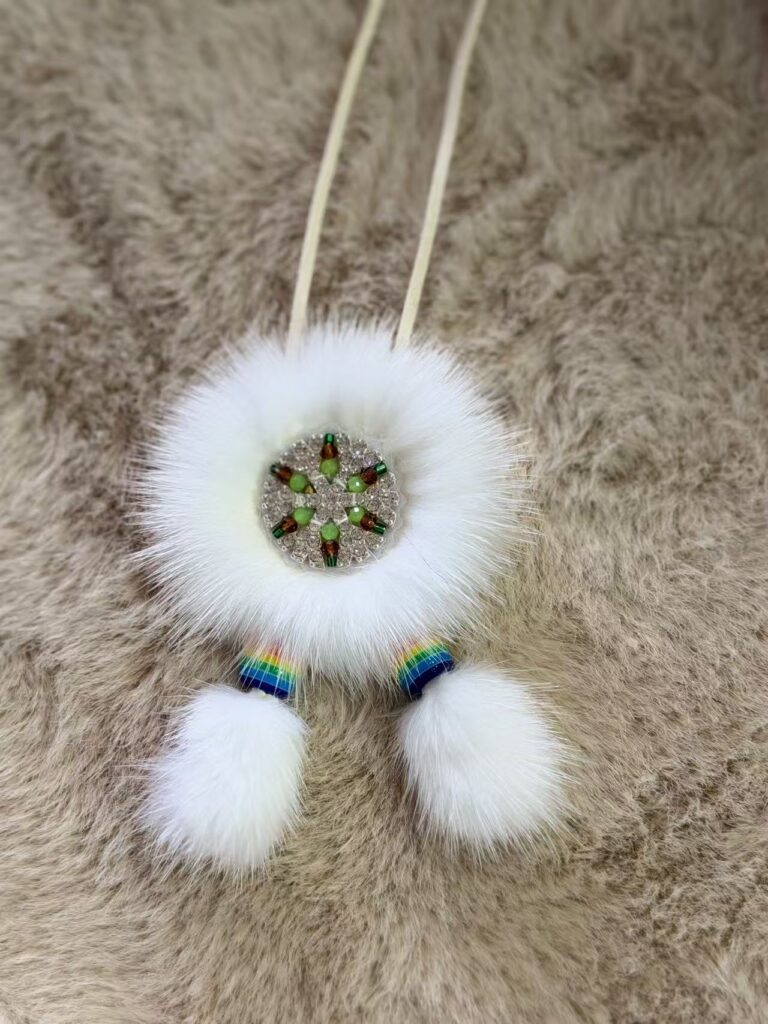
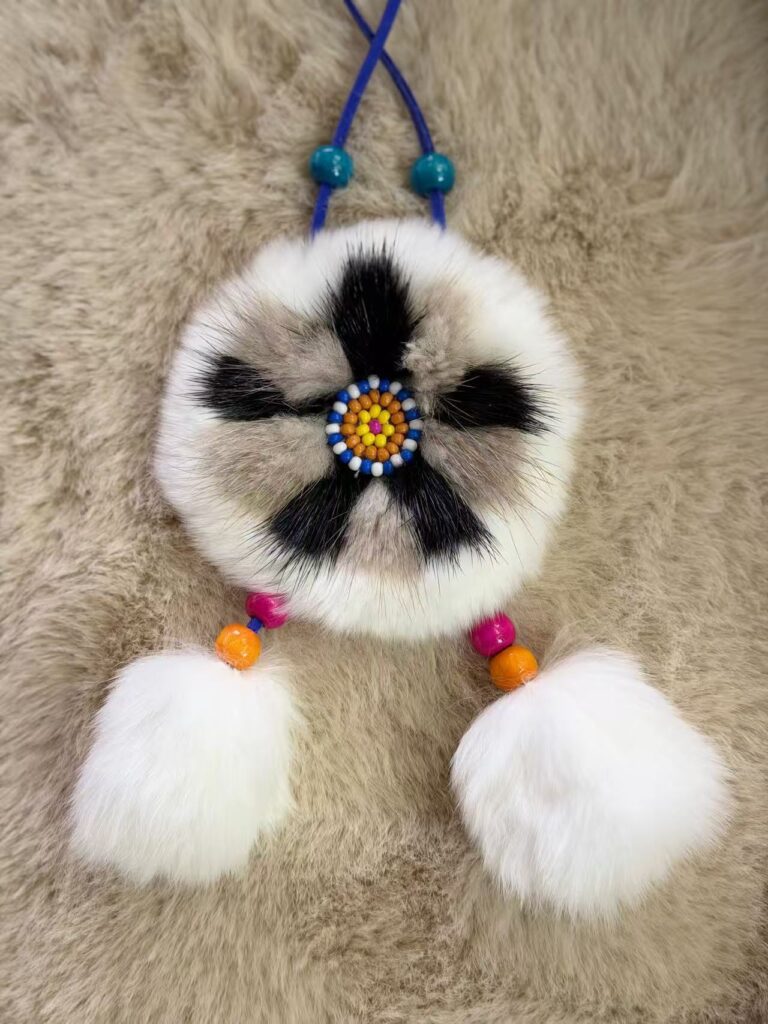
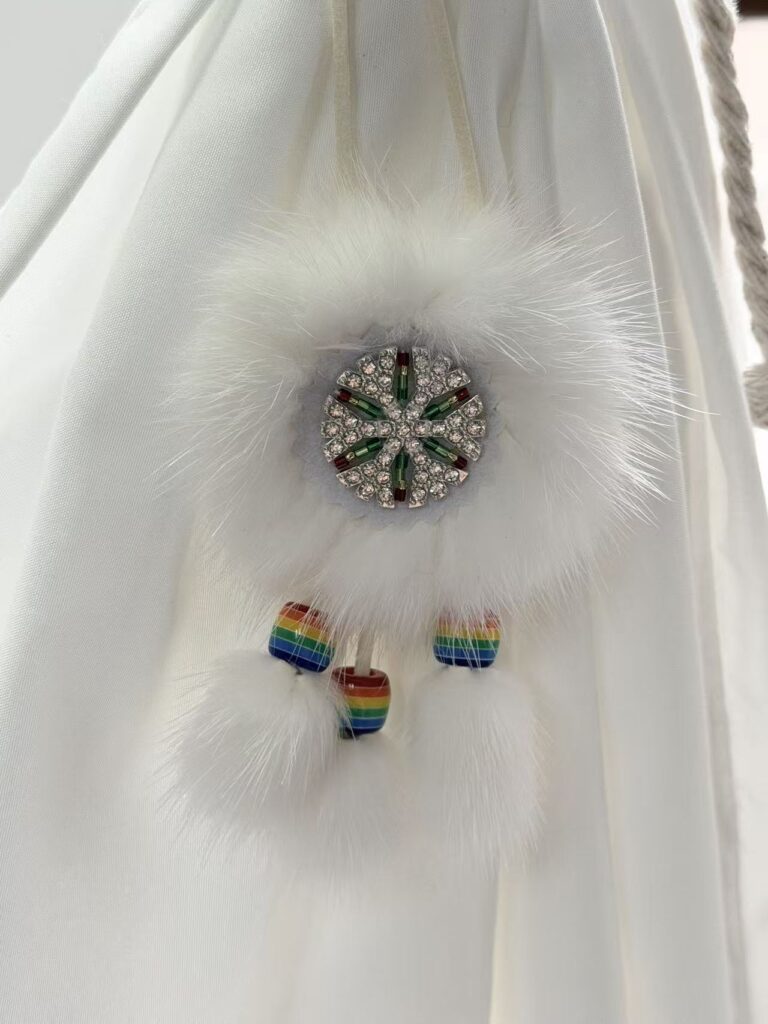
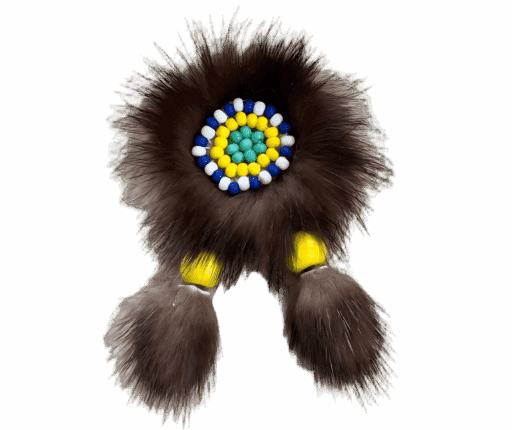
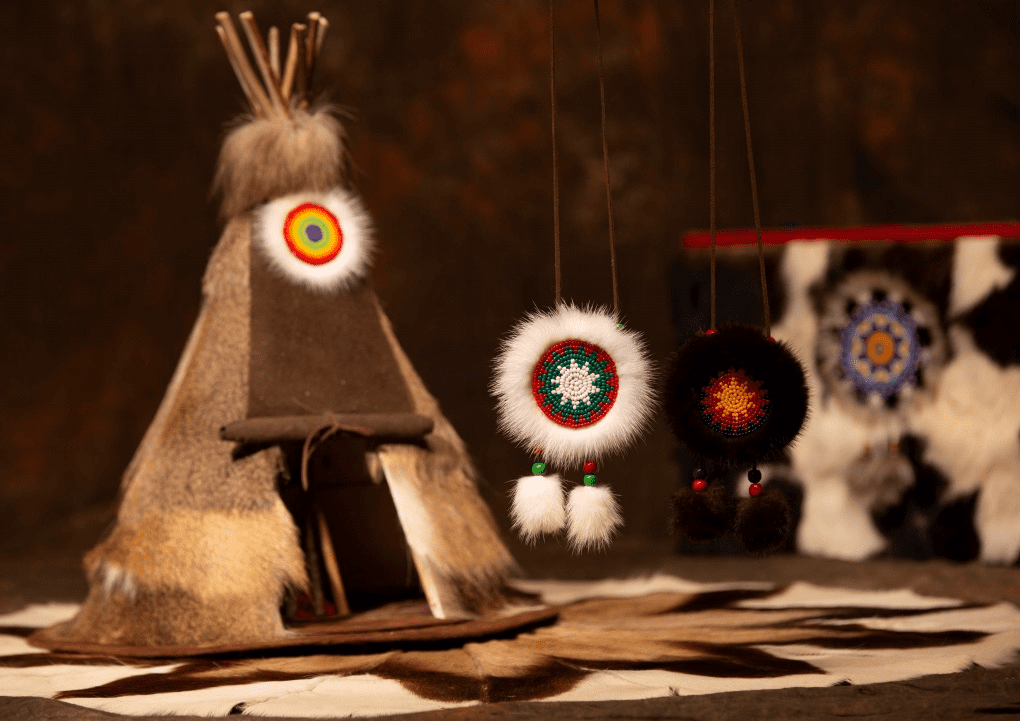
The Ewenki Sunflower appears in cultural expressions such as embroidery, decorative patterns, and traditional crafts. Its circular shape and radiant petals symbolize the sun, which historically represented warmth, life, and spiritual protection.
Many Ewenki families also plant sunflowers near their homes as a symbol of prosperity and happiness.
Natural Environment and Growth
The grasslands and forests of northern China provide an ideal environment for the Ewenki Sunflower. These plants adapt well to open fields and receive plenty of sunlight, which helps them grow tall and vibrant.
Sunflowers are known for their heliotropic movement, meaning they turn toward the sun during the day. This natural behavior has reinforced the symbolic meaning of the Ewenki Sunflower, representing optimism and persistence.
Local communities often harvest sunflower seeds not only for food but also for traditional uses.
The Ewenki Sunflower in Modern Culture
Today, the Ewenki Sunflower has become a cultural icon that represents the heritage of the Ewenki people. Cultural tourism and ethnic festivals often feature sunflower imagery in decorations and handicrafts.
Artists and designers also incorporate sunflower motifs inspired by Ewenki culture into modern products, helping preserve traditional aesthetics while introducing them to a wider audience.
Through cultural preservation and ecological awareness, the sunflower continues to reflect the values of respect for nature that the Ewenki people have maintained for centuries.
Conclusion
The Ewenki Sunflower stands as a meaningful symbol of culture, nature, and resilience. From traditional stories to modern cultural expression, it represents the deep connection between the Ewenki people and the environment around them.
Understanding this unique flower allows us to appreciate the richness of ethnic traditions and the importance of protecting both cultural heritage and natural ecosystems.
For more information about Ewenki culture, you can visit this external resource:
External link: https://en.wikipedia.org/wiki/Ewenki_people
You may also explore related cultural topics on our website:
Internal link: https://www.heartofcraft.com/